

Longevity Lessons From Dr. Rhonda Patrick That Could Change How You Age

What if the biggest breakthroughs in healthy aging weren’t hidden in some futuristic lab… but in habits you can start this week?
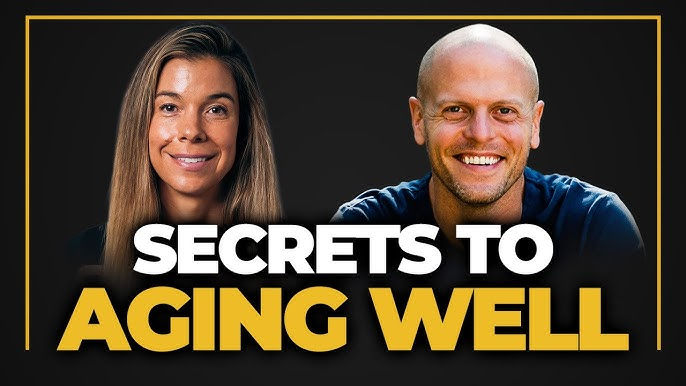
In a recent conversation with Rhonda Patrick on The Tim Ferriss Show, the discussion covered everything from fasting and brain health to sauna use, exercise, sleep deprivation, and the surprising benefits of creatine. But underneath all the science were a few simple themes that matter most for longevity after 50.
Here are five of the biggest takeaways.
1. Vigorous Exercise May Be One of the Best Brain Boosters
Dr. Patrick emphasized that short bursts of high-intensity exercise can dramatically improve VO2 max, cardiovascular health, and even brain function. One reason? Intense exercise produces lactate, which isn’t just a waste product—it actually acts like fuel and a signaling molecule for the brain.
You don’t need to become a marathon runner. Even brisk intervals on a bike, rowing machine, or fast-paced walking can help stimulate brain-protective compounds linked to memory and cognitive resilience.
2. Your Heart Can Become “Younger” Again
One fascinating study discussed involved previously sedentary 50-year-olds following a two-year exercise program. The result? Their hearts became more flexible and functioned more like younger hearts.
The message is encouraging: aging doesn’t automatically mean decline. The body remains surprisingly adaptable when consistently challenged in healthy ways.
3. Sauna Benefits Are Real—But Hotter Isn’t Always Better
Regular sauna use continues to show strong links to lower cardiovascular and dementia risk. But Dr. Patrick explained that consistency matters more than turning the heat into a survival contest. Dr. Patrick recommends not having the sauna temperature over 190 degrees Fahrenheit. Moderate, regular sauna sessions may help activate protective stress-response proteins while improving circulation and recovery.
4. Creatine Isn’t Just for Bodybuilders Anymore
One of the more surprising parts of the discussion focused on creatine. Dr. Patrick described using it not only for physical performance, but also for cognitive support during travel and sleep deprivation.
Emerging research suggests creatine may help support brain energy, muscle preservation, and recovery—especially important as we age and naturally lose muscle mass. She states that she personally takes 10 grams of creatine daily, unlike the recommended 5 grams that is part of a normal protocol.
5. Small Daily Habits Matter More Than Extreme Protocols
Despite discussing advanced longevity science, the biggest takeaway may have been this: the basics still win.
Exercise regularly. Sleep consistently. Eat nutrient-dense foods. Manage stress. Stay mentally engaged.
Longevity rarely comes from one magic supplement or perfect routine. It’s usually the result of small habits repeated over years.
And the good news? It’s never too late to start.
Want more simple, science-backed strategies to help you stay sharp, active, and independent after 50? Subscribe to 10-Minute Longevity and get practical healthy aging insights delivered each week.


Comments